
Always an excellent perspective on emerging systems and their impacts across the human landscape. – Neill K., a paying member
Hi all,
Welcome to the Sunday edition, where we make sense of the week behind us. Before you dive in, catch my latest podcast about how I adapted Andrej Karpathy’s autoresearch for knowledge work (essay on this is here + GitHub repo for paying members of Exponential View).
The compute crunch
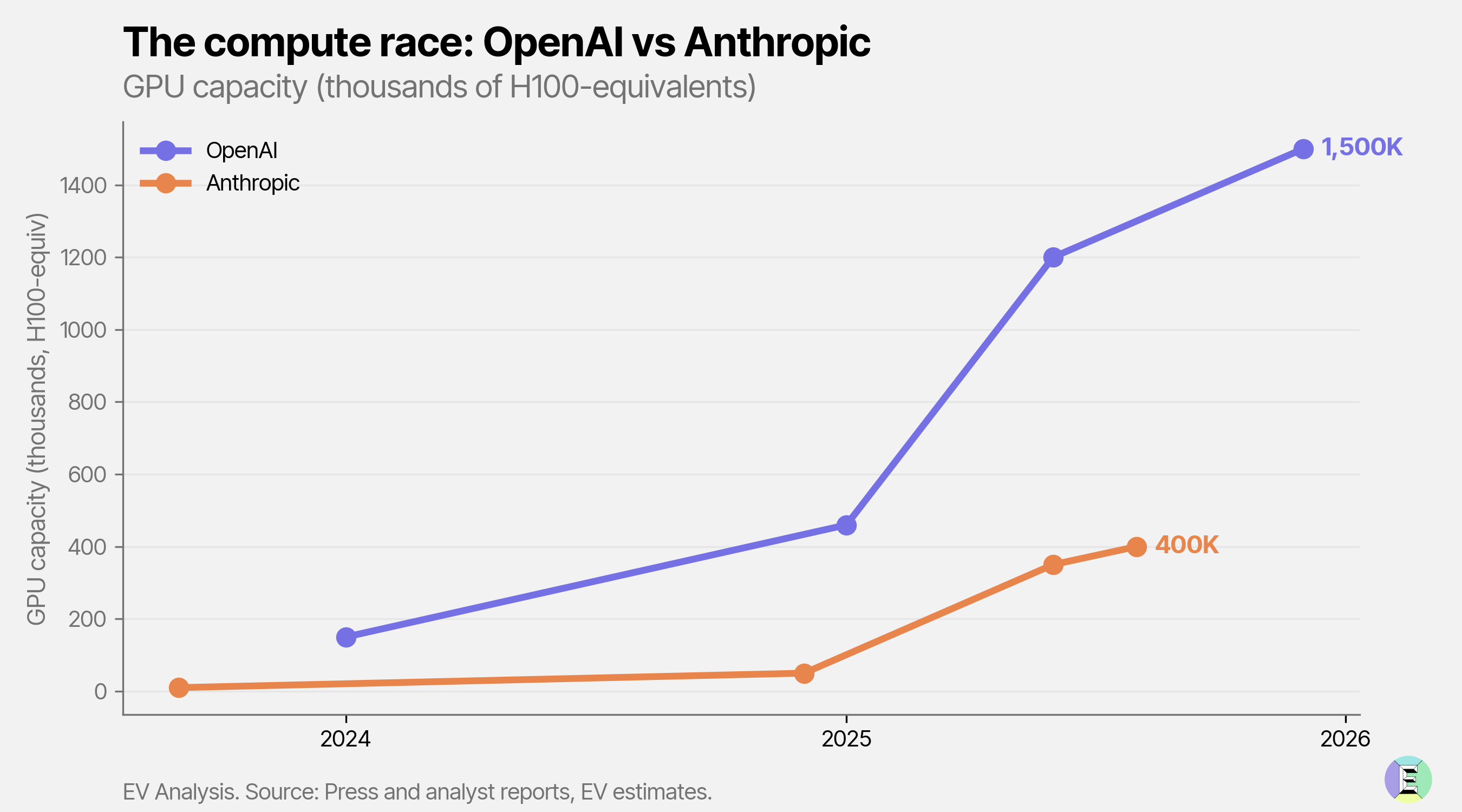
A couple of months ago, I wrote that AI capex looked more like a stampede than a bubble. I argued that by fixating on the bubble question, markets are worrying about the wrong thing. The real issue is the compute crunch. What I wrote then still stands:
The Big Tech companies have massive demand from generative AI workloads and the growth of cloud, which means they are having to turn business away. Last year, AWS lost a $10 million contract to host Fortnite because it couldn’t guarantee compute capacity. Something similar happened to Microsoft.
This week, OpenAI’s CFO says they’re passing on opportunities because there’s not enough compute. Codex went from 100,000 to 2 million developers in three months. Killing Sora will help. Anthropic has tightened the limits – some 7% of users will hit session limits they wouldn’t have hit before. H100 rental prices hit an 18-month high. Meanwhile, Alibaba closed-sourced Qwen, its open-weight leader. Tomorrow’s data edition will be dedicated to this trend.
See also:
The decade-long feud between OpenAI and Anthropic: A deeply reported piece on the history of the split and the competing visions of AI that emerged from it.

The same day OpenAI killed Sora, Kuaishou’s Kling AI reported $300 million annualized video revenue (Q4: $47 million), with 2026 expected to more than double.
GitHub Copilot started injecting promotional content into code reviews. The developer community was not happy and the feature was pulled back.
When agents meet markets
Economists forecast AI will add 1-1.5 percentage points to annual US growth by 2050 under a rapid AI progress scenario. They also believe there will be 10 million fewer jobs and inequality at its highest since 1939.
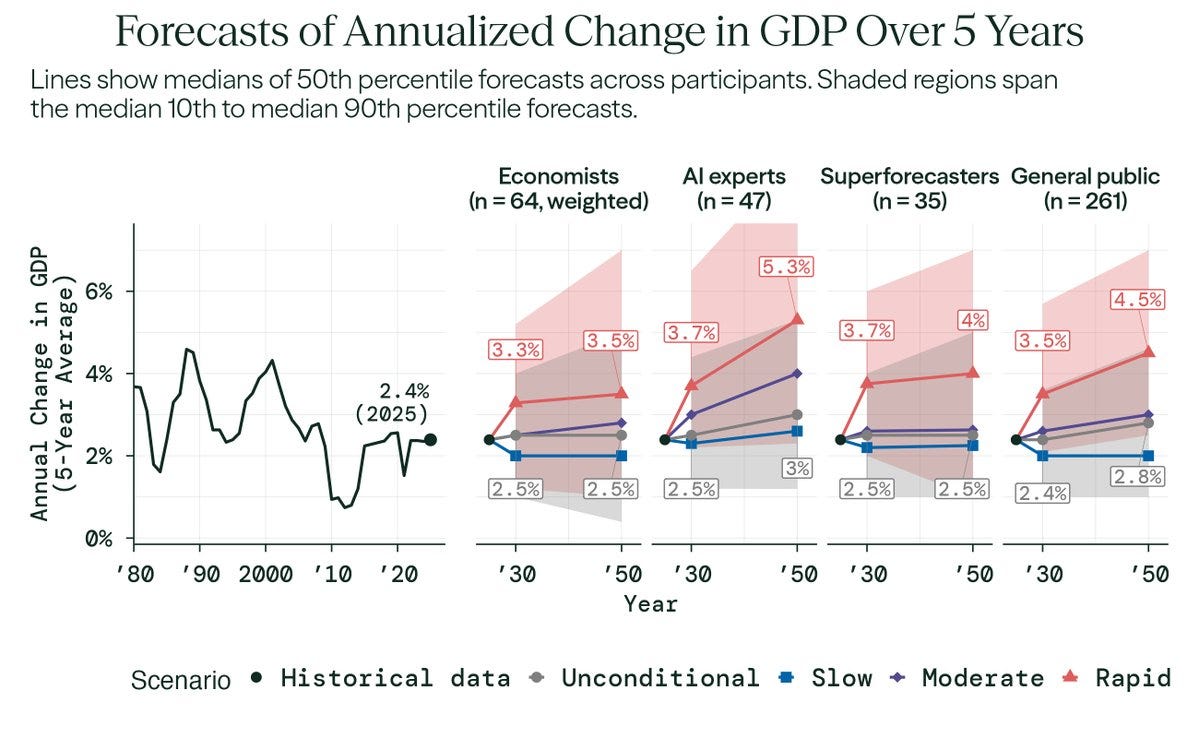
My friend Erik Brynjolfsson believes the consensus underweights AI-driven GDP growth. Erik and Alex Imas point out that economists are anchored to historical precedent. I think it’ll be complex. We could reasonably see a phase change, much as the 1820s saw phase change in long-range GDP growth. But measured GDP growth might look disappointing if there is price deflation in AI-affected sectors or an expansion in non-market value. The revolution might be real, but the measuring tape might miss it.
